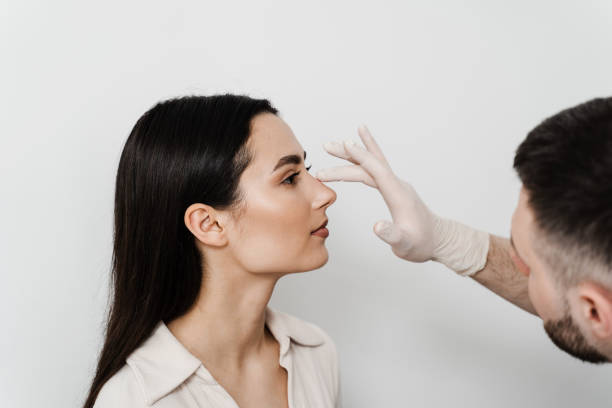
Rhinoplasty recovery is an important part of achieving a healthy healing process and allowing the reshaped nasal structures to settle properly. After surgery, the nose can be sensitive, swollen, and vulnerable to pressure or accidental injury. For patients undergoing Rhinoplasty in Riyadh (عملية تجميل الأنف في الرياض), knowing what to avoid during recovery can help protect the healing nose and reduce unnecessary complications.
The recovery period varies from person to person and depends on the surgical technique, extent of reshaping, and individual healing response. Rhinoplasty in Riyadh patients should always follow their surgeon's specific instructions because activity restrictions, medications, and follow-up requirements may differ between procedures and individuals.
Avoid Touching or Pressing the Nose
The nose can be particularly sensitive during the early healing period. Unnecessary touching, pressing, rubbing, or manipulating the nose may interfere with healing or cause irritation.
Patients should handle the area gently and follow their surgeon's instructions regarding cleaning and postoperative care. Avoid adjusting splints, dressings, or other protective materials unless specifically instructed to do so.
Avoid Sleeping on Your Stomach
Sleeping positions can place unwanted pressure on the nose. During early recovery, patients are often advised to sleep on their back with the head elevated, according to their surgeon's recommendations.
Keeping the head elevated may also help reduce swelling. Use pillows or another approved method to maintain a comfortable position without putting pressure on the healing nose.
Avoid Strenuous Exercise
Intense exercise can increase blood pressure and may contribute to increased swelling or bleeding during the early recovery period. Activities involving significant exertion should therefore be avoided until your surgeon confirms that they are appropriate.
The timing for returning to exercise varies. Light activity may be permitted sooner than vigorous workouts, but patients should follow their individual postoperative instructions.
Avoid Contact Sports
Sports and activities that could cause an accidental impact to the nose should be avoided while the nasal structures are healing. Even an apparently minor impact can potentially affect the recovering nose.
Your surgeon can tell you when it is safe to resume contact sports or activities where facial injury is possible. Waiting until the nose has adequately healed can help protect the surgical result.
Avoid Wearing Pressure on the Nose
Certain glasses, goggles, masks, or other items may place pressure on the bridge of the nose. Whether these need to be avoided depends on the procedure and your surgeon's instructions.
Ask your medical team how to manage eyewear during recovery. Do not assume that a product is safe simply because it feels comfortable.
Avoid Blowing Your Nose Forcefully
Forceful nose blowing can create pressure within the nasal passages and may irritate healing tissues. Patients may also experience congestion after rhinoplasty, which can make the urge to blow the nose stronger.
Instead, follow your surgeon's recommendations for managing congestion and keeping the nasal passages comfortable. Never insert objects or unapproved products into the nose during recovery.
Avoid Picking or Scratching Inside the Nose
Crusting, dryness, or congestion can occur after nasal surgery. Picking or scratching inside the nose can irritate delicate tissues and may interfere with healing.
If your surgeon recommends a particular method for nasal care, use it exactly as instructed. Contact the clinic if you experience persistent discomfort or are unsure how to manage nasal dryness or congestion.
Avoid Excessive Sun Exposure
The skin around the nose can be sensitive following surgery. Excessive sun exposure may contribute to irritation and can make temporary discoloration more noticeable.
Follow your surgeon's recommendations regarding sun protection and skincare. Avoid applying products to healing incisions unless they have been approved by your medical team.
Avoid Smoking and Tobacco
Smoking can negatively affect circulation and tissue healing. Tobacco exposure may increase the risk of healing problems and other complications following surgery.
If you smoke or use tobacco products, follow your surgeon's recommendations about stopping before and after rhinoplasty. Avoid exposure during recovery as advised by your medical team.
Avoid Alcohol Unless Cleared
Alcohol can interact with certain medications and may not be appropriate during the early recovery period. It can also contribute to dehydration and may be unsuitable while you are taking specific postoperative medicines.
Ask your surgeon when alcohol can safely be resumed. Follow the guidance provided for your particular recovery rather than relying on a general timeframe.
Avoid Taking Unapproved Medications
Some medicines can increase bleeding risk or interact with prescribed postoperative treatments. Do not start painkillers, anti-inflammatory medicines, supplements, or herbal products without checking with your medical team.
If another healthcare provider recommends a medication during your recovery, inform your rhinoplasty surgeon so potential interactions or concerns can be evaluated.
Avoid Facial Treatments Without Approval
Facial massages, aggressive skincare, waxing, chemical treatments, laser procedures, and other cosmetic treatments may irritate healing tissues or place pressure on the nose.
Before scheduling any cosmetic or dermatological treatment during recovery, ask your surgeon whether it is appropriate and when it can safely be performed.
Avoid Excessive Heat
Very hot environments, saunas, steam rooms, and activities that significantly increase body temperature may not be appropriate during the early healing period. Heat can sometimes contribute to swelling and discomfort.
Your surgeon can advise you when these activities can safely be resumed based on your progress.
Avoid Ignoring Warning Signs
Some swelling and discomfort are expected after rhinoplasty, but certain symptoms require medical attention. Increasing pain, significant bleeding, fever, unusual drainage, breathing difficulties, or sudden changes in the appearance of the nose should be reported to your medical team.
Do not attempt to manage concerning symptoms yourself. Contact your surgeon or seek appropriate medical care if you notice something unusual during recovery.
Avoid Judging Results Too Early
The nose may look different from what you expected during the first stages of healing. Swelling can temporarily affect the bridge, tip, and overall nasal proportions.
The final appearance develops gradually as swelling decreases and tissues settle. Avoid making conclusions about the final result during the earliest part of recovery.
Follow Your Recovery Plan
When recovering from Rhinoplasty in Riyadh, following your surgeon's postoperative instructions is one of the most important steps you can take. Your recommendations may include medication instructions, wound care, activity restrictions, sleeping guidance, and scheduled follow-up visits.
If you are uncertain about any activity or symptom, contact your medical team rather than guessing. Personalized postoperative guidance is more appropriate than applying generic recovery rules.
Book an Appointment at Royal Clinic Saudia
If you are considering rhinoplasty or need professional guidance about recovery and postoperative care, Royal Clinic Saudia () can provide a personalized consultation and treatment information. Book an appointment to discuss your procedure, recovery expectations, and appropriate aftercare.
FAQs:
How long should I avoid strenuous exercise after rhinoplasty?
The timeframe varies according to the procedure and individual healing. Your surgeon should tell you when it is appropriate to gradually resume exercise.
Can I sleep on my side after rhinoplasty?
Side sleeping may place pressure on the nose during early recovery. Many patients are advised to sleep on their back with the head elevated until their surgeon gives different instructions.
Can I wear glasses after rhinoplasty?
Some glasses can place pressure on the healing nasal bridge. Ask your surgeon when and how you can safely wear your usual eyewear.
When should I contact my surgeon during recovery?
Contact your medical team if you experience significant bleeding, increasing pain, fever, unusual drainage, breathing difficulties, or another symptom that concerns you. Your surgeon can determine whether further evaluation is needed.