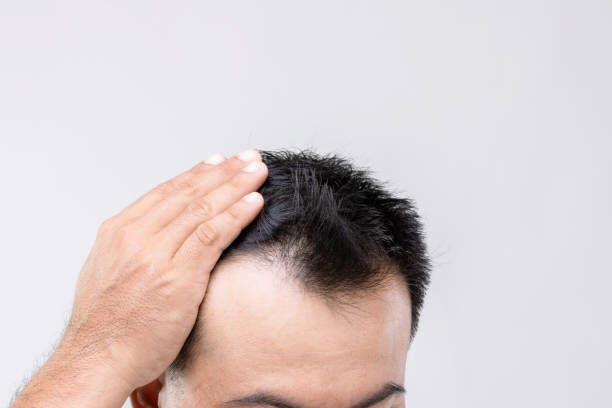
PRP hair treatment is a non-surgical procedure that uses platelet-rich plasma prepared from a patient's own blood to support hair follicle health and encourage hair growth. After the session, following proper aftercare instructions can help reduce irritation and support recovery. Understanding what to avoid after PRP Hair Treatment in Riyadh is an important part of caring for your scalp, especially during the first few days when the treated area may be sensitive. Although the procedure generally involves minimal downtime, individual recovery experiences can vary.
After treatment, the scalp may feel tender, slightly swollen, or sensitive around the injection sites. These effects are usually temporary, but certain activities and hair-care habits may increase irritation. Patients receiving PRP Hair Treatment in Riyadh should follow their treating clinician's specific advice because aftercare recommendations can differ depending on the treatment technique, scalp condition, and individual medical history. Knowing which activities to pause and when to resume your normal routine can help you manage the recovery period more comfortably.
Avoid Touching or Scratching Your Scalp
Try not to touch, rub, or scratch the treated area unnecessarily during the first day. Your scalp may feel mildly uncomfortable after the injections, but scratching can irritate the skin and introduce bacteria around the injection sites. Keep your hands clean if you need to adjust your hair, and avoid applying pressure to sensitive areas. If itching or discomfort becomes severe or continues to worsen, contact your treatment provider rather than scratching the scalp.
Avoid Washing Your Hair Too Soon
Your clinician may recommend waiting before washing your hair, often until the following day, depending on the procedure and products used. During this period, avoid vigorous shampooing, hot water, and forceful rubbing. When you are cleared to wash your hair, use a gentle shampoo and lukewarm water, and pat the scalp dry instead of rubbing it with a towel. Follow the specific washing instructions provided by your clinic.
Avoid Strenuous Exercise Immediately After Treatment
Intense physical activity can increase sweating and may aggravate scalp sensitivity shortly after the procedure. Consider avoiding heavy workouts, running, intense cycling, and strenuous lifting for approximately 24 to 48 hours, or for the period recommended by your clinician. Gentle everyday movement is generally reasonable if you feel well. Resume exercise gradually when the scalp feels comfortable and your provider has confirmed that it is appropriate.
Avoid Saunas, Steam Rooms, and Excessive Heat
High temperatures may worsen temporary redness or discomfort. For the first day or two, depending on your clinician's advice, avoid saunas, steam rooms, very hot showers, and other activities that expose your scalp to excessive heat. Avoid direct, prolonged sun exposure as well, particularly if the treated skin feels irritated. Once you return outdoors, protect your scalp with suitable coverage without placing unnecessary pressure on sensitive areas.
Avoid Hair Styling Products and Chemical Treatments
Hair sprays, gels, waxes, dyes, bleaching products, and chemical straightening treatments may irritate a recently treated scalp. Avoid applying styling products directly to the injection sites until your clinician advises that it is safe. Hair colouring and other chemical services may need to be postponed for several days or longer, depending on scalp sensitivity and the procedure. Ask your provider when you can safely resume your usual hair-care routine.
Avoid Alcohol and Smoking During Early Recovery
Your clinician may recommend avoiding alcohol for at least the first 24 hours, particularly if you have been given medication or specific post-treatment instructions. Smoking can negatively affect general health and circulation, so reducing or avoiding tobacco is beneficial for overall hair and scalp health. Neither alcohol avoidance nor smoking cessation guarantees a better PRP outcome, but following medical advice and maintaining healthy habits can support your overall treatment plan.
Do Not Change Medications Without Medical Advice
Some patients take medicines that affect bleeding or inflammation. Do not stop prescribed blood thinners, anti-inflammatory medicines, or any other medication on your own before or after treatment. Ask your clinician whether any medication needs to be reviewed, as the advice depends on your health and the reason you take it. Also, avoid starting new supplements or hair-loss products without discussing them with your healthcare provider.
Avoid Expecting Immediate Hair Growth
PRP works gradually, and visible changes do not usually appear immediately after a session. Hair growth cycles take time, so improvement, if it occurs, may become noticeable over several weeks or months. Results vary according to the cause of hair loss, the condition of the follicles, and individual response. PRP Hair Treatment in Riyadh should be considered as part of a clinician-guided hair restoration plan rather than a guaranteed solution or an instant fix.
Avoid comparing your progress too closely with someone else's results or scheduling additional sessions without professional guidance. Attend follow-up appointments so your provider can assess your response and adjust the treatment plan if necessary.
When Should You Contact Your Clinician?
Mild tenderness, redness, or swelling may occur temporarily after PRP injections. However, seek medical advice if symptoms become increasingly painful, redness or swelling spreads, you notice pus, or you develop a fever. Get urgent medical attention if you experience difficulty breathing, facial or throat swelling, or another severe allergic-type reaction. These symptoms are not expected routine recovery effects and should not be ignored.
Book a Consultation at Royal Clinic Saudia
If you are considering PRP for hair thinning or have questions about aftercare, arrange a consultation with . A qualified clinician can assess your scalp, discuss whether PRP may be appropriate for you, and provide personalised instructions for recovery and follow-up care.
FAQs:
Can I wash my hair immediately after PRP treatment?
Your provider may recommend waiting until the following day before washing your hair. Follow the specific instructions you receive, and use a gentle shampoo when washing is permitted.
How long should I avoid exercise after PRP hair treatment?
Many patients are advised to avoid strenuous exercise for 24 to 48 hours. Your clinician may recommend a different period based on your treatment and recovery.
Can I use hair oil after PRP treatment?
It is best to avoid applying oils and styling products directly to the treated scalp until your clinician confirms that it is safe. This helps minimise irritation while the injection sites settle.
What happens if I accidentally touch my scalp after treatment?
Brief accidental contact is unlikely to cause a problem. Avoid repeated touching, rubbing, or scratching, keep your hands clean, and contact your provider if you notice worsening pain, swelling, or other unusual symptoms.