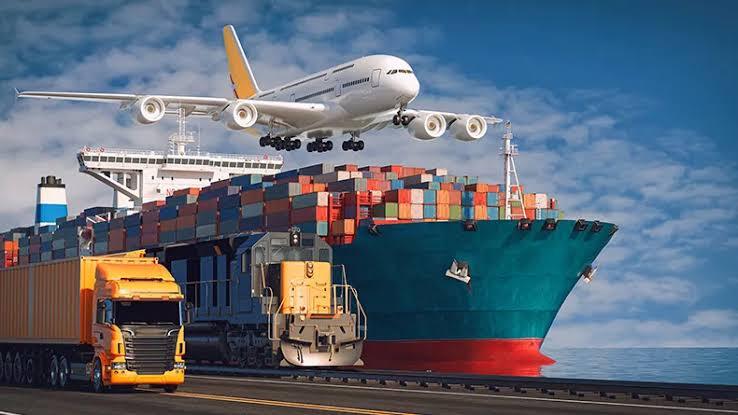
Getting goods from one country to another rarely involves just one type of transport. A shipment might start its journey on a truck, move to a ship for the long distance leg, and then finish on another truck to reach its final destination. This combination of different transport methods under a single shipping arrangement is called multimodal transportation.
This article explains what multimodal transportation means, how it works, and why so many businesses rely on it to move goods efficiently around the world.
What Is Multimodal Transportation?
Multimodal transportation refers to shipping goods using two or more different modes of transport, such as sea, air, road, or rail, all under a single contract and typically managed by one logistics provider. Instead of arranging separate contracts for each leg of the journey, the entire shipment is coordinated as one continuous process from origin to final destination.
This is different from arranging each transport method separately, where a business might need to hire one company for trucking, another for sea freight, and yet another for final delivery. With multimodal transportation, one provider takes responsibility for coordinating the entire journey, even though multiple types of transport are involved.
Why Multimodal Transportation Is Used
There are several reasons businesses choose multimodal transportation over arranging separate shipping methods on their own.
Efficiency in Combining Transport Types
Different transport methods have different strengths. Sea freight is cost effective for large volumes over long distances, while road transport offers flexibility for reaching specific locations that aren't near a port. Combining these methods allows businesses to take advantage of the strengths of each mode during the parts of the journey where they make the most sense.
Simplified Coordination
Managing a shipment that involves multiple transport methods can get complicated if you're arranging each leg separately. Multimodal transportation simplifies this by having one provider oversee the entire journey, reducing the coordination burden on the business.
Cost Savings
By using the most cost effective method for each leg of the journey, rather than relying on a single expensive method for the entire trip, multimodal transportation can often reduce overall shipping costs compared to less efficient combinations.
Single Point of Responsibility
Since one provider manages the entire multimodal journey, businesses have a single point of contact if problems arise, rather than needing to figure out which company is responsible for an issue that happened during a specific leg of the trip.
Common Combinations Used in Multimodal Transportation
While there are many possible combinations, a few common patterns show up frequently in international shipping.
Sea and Road
This is one of the most common combinations. Goods travel by ship for the long international leg, then switch to trucks for local delivery once they reach the destination port. This combination works well for shipments heading to locations that aren't directly served by major ports.
Air and Road
For faster shipments, goods might travel by air for the international leg, then transfer to trucks for the final delivery to their destination. This combination balances speed with the flexibility needed to reach specific delivery locations.
Sea and Rail
In some regions, goods travel by ship and then transfer to rail networks for inland transport, particularly for reaching locations far from coastal areas. This combination is common in larger countries with well developed rail infrastructure.
Multiple Combinations for Complex Routes
For shipments involving more complicated routes, such as moving goods through several countries or to remote locations, a combination of three or more transport methods might be used, such as sea, rail, and road all working together to complete the journey.
How Multimodal Transportation Works Step by Step
Let's look at the general process involved in a typical multimodal shipment.
1. Planning the Route
The process begins with planning the most efficient route and combination of transport methods based on the origin, destination, and specific needs of the shipment, such as cost priorities or delivery timelines.
2. Booking Under a Single Contract
Once the route is planned, the shipment is booked under a single multimodal transport contract, often called a combined transport document. This contract covers the entire journey, regardless of how many different transport methods are involved.
3. First Leg of Transport
The goods begin their journey using the first mode of transport, such as a truck picking up goods from a supplier's warehouse and transporting them to a port or airport.
4. Transfer Between Modes
At designated transfer points, goods move from one mode of transport to the next. This might involve loading a container from a truck onto a ship, or transferring goods from a plane onto a truck for final delivery. This step requires careful coordination to avoid unnecessary delays during the handoff.
5. Continued Transport
The shipment continues its journey, potentially switching between multiple transport methods depending on the specific route required to reach the final destination.
6. Customs Clearance
Just like any international shipment, multimodal transportation still requires proper customs clearance at relevant points along the journey, whether that's at a port, airport, or border crossing.
7. Final Delivery
The shipment reaches its final destination using whatever transport method makes the most sense for that specific leg, completing the multimodal journey.
Benefits of Multimodal Transportation for Businesses
There are several practical advantages that make multimodal transportation an attractive option for many businesses.
Reduced Administrative Burden
Since one provider handles the entire journey under a single contract, businesses deal with less paperwork and fewer separate agreements compared to managing each leg independently.
Better Risk Management
With one provider overseeing the entire shipment, there's often better accountability if something goes wrong, rather than different companies pointing fingers at each other over where a problem occurred.
Flexibility for Complex Routes
Multimodal transportation makes it easier to reach destinations that aren't directly accessible by a single transport method, opening up more delivery options for businesses shipping to less common locations.
Potential Cost Savings
By strategically combining transport methods, businesses can often find a more cost effective overall solution compared to relying on a single, potentially more expensive transport method for the entire journey.
Challenges to Consider
While multimodal transportation offers real benefits, there are a few things worth keeping in mind.
Complexity in Planning
Coordinating multiple transport methods requires careful planning to avoid unnecessary delays during transfer points between different modes of transport.
Handling Risks During Transfers
Every time goods move from one mode of transport to another, there's a slightly higher risk of delay or damage compared to shipments that stay within a single transport method throughout the journey.
Choosing the Right Provider
Since multimodal transportation involves coordinating several different types of transport, it's important to work with a provider who has genuine experience managing these combinations, rather than one that specializes in just a single mode of transport.
Who Benefits Most from Multimodal Transportation?
Multimodal transportation tends to work particularly well for:
- Businesses shipping to locations not directly served by major ports or airports
- Companies looking to balance cost and speed across different legs of a journey
- Businesses shipping to multiple destinations that require different transport combinations
- Companies wanting simplified logistics management through a single provider
Final Thoughts
Multimodal transportation offers a practical way to combine the strengths of different transport methods into a single, coordinated shipping process. By using sea, air, road, or rail together as needed, businesses can often reach destinations more efficiently while simplifying the overall logistics process through one point of contact.
Companies like Noble Line Logistics LLC help businesses plan and manage multimodal shipments, coordinating the right combination of transport methods to keep goods moving smoothly from origin to final destination.
If your business ships to locations that require more than one type of transport, exploring multimodal transportation with an experienced logistics provider could help simplify your shipping process while potentially reducing overall costs.