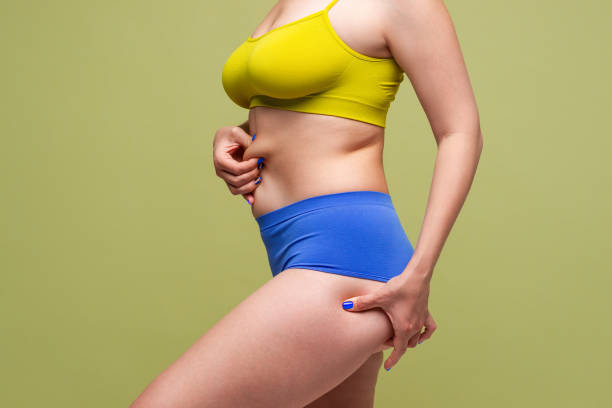
Significant weight loss can bring major changes to the body, but it may also leave loose abdominal skin that does not tighten naturally. This excess tissue can create folds around the stomach and make it difficult to achieve the smoother contour you want, even after reaching a stable weight. Tummy tuck surgery in Riyadh (عملية شد البطن في الرياض) may help suitable individuals remove excess abdominal skin and improve the appearance of the midsection after substantial weight loss.
Why Does Loose Skin Remain After Weight Loss?
When the body gains weight, the skin stretches to accommodate changes in body size. After significant weight loss, the underlying volume decreases, but the skin may not always have enough elasticity to contract completely. This can leave loose or hanging tissue around the abdomen.
Factors That Affect Skin Elasticity
Age, genetics, the amount of weight lost, how long the skin remained stretched, and natural skin quality can all influence how much the skin retracts. Some people experience considerable skin tightening naturally, while others are left with noticeable excess tissue.
How Can a Tummy Tuck Help?
A tummy tuck, also known as abdominoplasty, is a surgical body-contouring procedure designed to remove selected excess abdominal skin. The surgeon creates an incision in the lower abdominal area, removes appropriate loose tissue, and repositions the remaining skin to create a smoother contour.
Removing Excess Abdominal Skin
The amount of skin removed depends on individual anatomy and the location of the excess tissue. The goal is to remove appropriate tissue while creating a balanced abdominal appearance and supporting proper healing.
Addressing Abdominal Muscle Laxity
Some individuals who have experienced major weight changes may also have abdominal laxity. When weakened or separated abdominal muscles are present, muscle repair may be incorporated into the tummy tuck when considered appropriate.
Is Tummy Tuck Surgery Suitable After Weight Loss?
A tummy tuck may be considered when a person has reached a relatively stable weight but continues to have significant excess abdominal skin. However, reaching a certain amount of weight loss alone does not determine whether surgery is appropriate.
Stable Weight Before Surgery
A stable weight allows the surgeon to evaluate the abdominal tissues more accurately. If substantial weight loss is still planned, additional changes could affect the amount and location of excess skin that remains.
Overall Health and Healing
Good general health is important before elective surgery. During a consultation, the surgeon can review relevant health information, examine the abdominal area, and identify factors that may influence surgery and recovery.
What Areas Can Be Treated?
A tummy tuck primarily focuses on the abdomen, but the distribution of loose skin varies from person to person. After significant weight loss, excess tissue may be concentrated below the belly button or extend across a larger portion of the abdomen.
Lower Abdominal Skin
When excess tissue is mainly located below the belly button, a more limited procedure may sometimes be considered. The appropriate technique depends on the amount of loose skin and the condition of the surrounding tissues.
Upper and Lower Abdominal Skin
When loose skin extends above and below the belly button, a full tummy tuck may be considered. This approach generally allows broader correction of abdominal skin and can address more extensive abdominal laxity.
Full vs Mini Tummy Tuck After Weight Loss
The choice between a full and mini tummy tuck depends on the location and extent of excess skin. A mini tummy tuck generally concentrates on the lower abdomen, while a full tummy tuck can address a broader abdominal area.
Full Tummy Tuck
A full tummy tuck may be appropriate when loose skin extends across much of the abdomen or when more extensive abdominal correction is required. Belly button repositioning is commonly part of this technique.
Mini Tummy Tuck
A mini tummy tuck may be considered when excess skin is primarily concentrated in the lower abdomen. It generally involves a more limited treatment area and typically does not require repositioning the belly button.
Can a Tummy Tuck Remove All Loose Skin?
A tummy tuck can remove a significant amount of excess abdominal skin, but it cannot guarantee that every area of loose tissue will disappear. The amount that can be safely removed depends on skin elasticity, abdominal anatomy, tissue distribution, and the surgical plan.
Tummy tuck surgery in Riyadh can improve the appearance of loose skin after weight loss, but the final result depends on several individual factors, including healing, skin quality, body shape, and future changes in weight.
What Happens to Stretch Marks?
Some stretch marks located within the skin that is removed may also be removed. Stretch marks outside the treated area generally remain. A tummy tuck should therefore not be viewed as a treatment specifically designed to eliminate every stretch mark.
What Is Recovery Like After a Tummy Tuck?
Recovery varies according to the extent of surgery and the individual's healing response. Swelling, tightness, and discomfort are common during the early recovery period. Patients may need to modify their normal activities and gradually return to exercise according to their surgeon's instructions.
Following wound-care guidance, attending follow-up appointments, and avoiding activities that place excessive strain on healing tissues can support the recovery process. The abdomen continues to change as swelling decreases and the tissues settle.
What Results Can You Expect?
The abdomen may appear smoother and more defined as healing progresses. However, the immediate postoperative appearance does not represent the final result because swelling and tissue changes can temporarily affect the contour.
The results can be long-lasting when a person's weight remains relatively stable. Significant future weight fluctuations can stretch the remaining skin and change the abdominal contour.
How Can You Maintain Your Results?
Maintaining a stable weight after surgery is an important part of protecting the abdominal contour. A balanced diet and regular physical activity, once medically cleared, can support overall health and help maintain body shape.
Consider Your Long-Term Goals
If you are still planning substantial weight loss, discuss your goals with a qualified surgeon before scheduling a tummy tuck. Completing major weight-loss efforts first may make it easier to determine how much loose skin remains and what type of body contouring may be appropriate.
Why a Professional Consultation Matters
Loose skin after weight loss can vary significantly in amount and location. A qualified surgeon can assess the abdominal skin, muscle condition, skin elasticity, weight stability, previous procedures, and desired outcome before recommending a treatment approach.
The consultation also provides an opportunity to discuss the incision, scar placement, recovery, potential risks, and realistic expectations. A personalized assessment helps ensure that the proposed procedure addresses your specific concerns rather than relying on a standard approach.
Book an Appointment at Royal Clinic Saudia
If you are considering Tummy tuck surgery in Riyadh for loose skin after weight loss, Royal Clinic Saudia () can provide a professional consultation to assess your abdominal concerns and discuss suitable treatment options. Book an appointment to receive personalized guidance based on your anatomy and goals.
FAQs:
Can a tummy tuck remove loose skin after significant weight loss?
Yes. A tummy tuck is designed to remove selected excess abdominal skin and improve the overall abdominal contour. The amount that can be removed depends on individual anatomy and the surgical plan.
Should I finish losing weight before having a tummy tuck?
It is generally helpful to reach a relatively stable weight before surgery, particularly if substantial additional weight loss is planned. A qualified surgeon can help determine appropriate timing.
Will a tummy tuck remove loose skin around my entire waist?
A standard tummy tuck primarily addresses the abdomen. If loose tissue extends significantly around the sides or back, other body-contouring approaches may need to be discussed during consultation.
Can loose skin return after a tummy tuck?
Significant weight changes, aging, and other changes to the body can affect the remaining skin and abdominal contour. Maintaining a stable weight can help support the results over time.