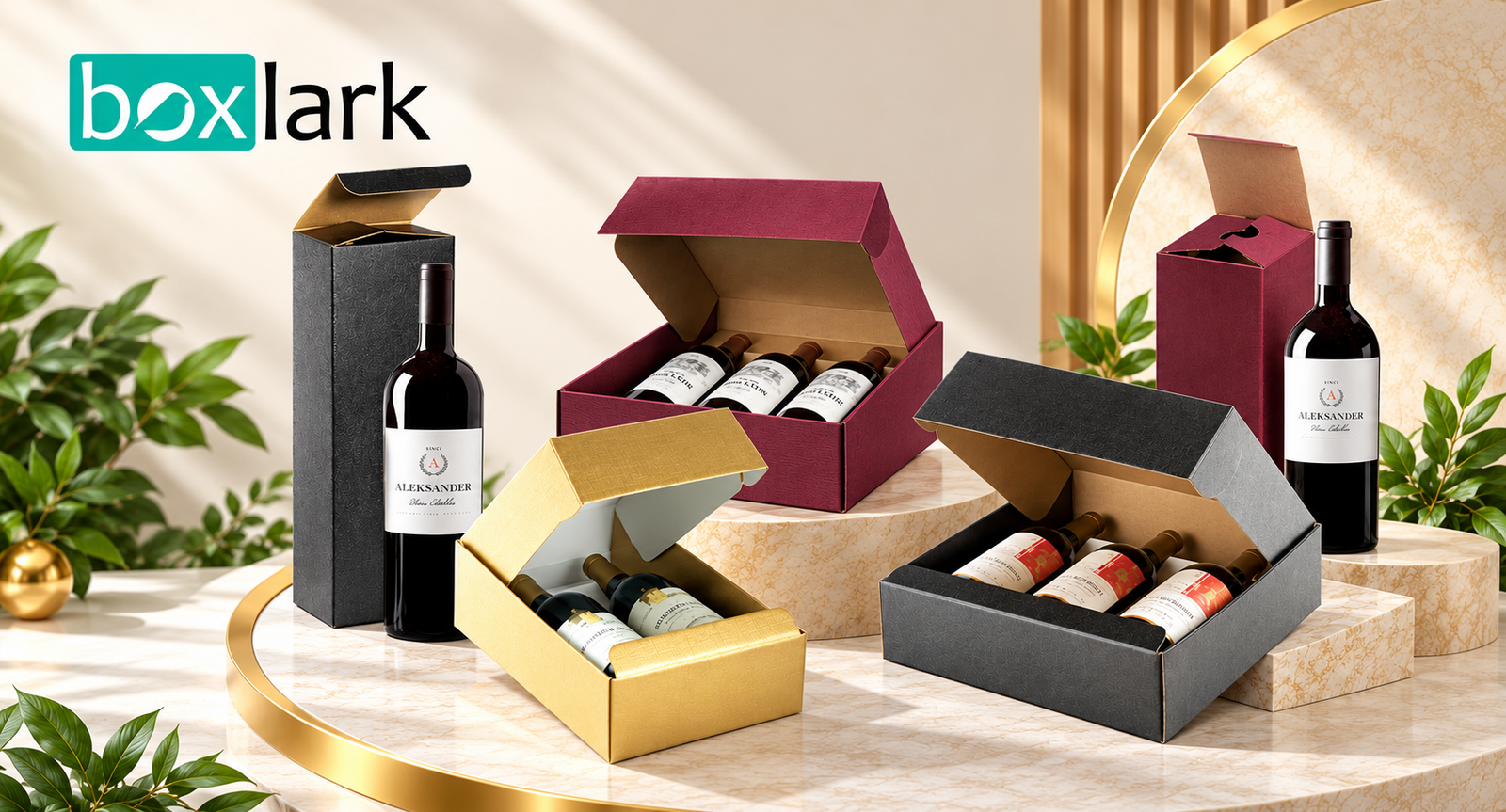
Bottles are used to package a wide range of products, from beverages and cosmetics to perfumes and essential oils. Their appearance and safety matter throughout storage, shipping, and retail display. Well-designed Custom Bottle Boxes help businesses protect their products while creating an attractive presentation that customers remember.
Packaging does more than hold a bottle in place. It communicates brand identity, improves the customer experience, and helps products stand out among competing options. With suitable materials, thoughtful designs, and quality printing, businesses can create packaging that balances protection with visual appeal.
Why Bottle Packaging Matters for Businesses
Bottle packaging plays an important role in how products are stored, transported, and presented. Glass bottles can break when exposed to sudden impacts, while plastic containers may become scratched or damaged during handling. Appropriate packaging helps reduce these risks.
Packaging also influences customers' first impressions. A neatly presented bottle can appear more professional and trustworthy than one placed in ordinary, unbranded packaging. This matters particularly for premium products, gifts, and items displayed in competitive retail environments.
Businesses must consider several factors when choosing packaging, including bottle dimensions, product weight, transportation requirements, and customer expectations. A suitable design addresses these needs without adding unnecessary material or making the package difficult to use.
Protecting Bottles During Shipping and Storage
Product protection is one of the most important purposes of bottle packaging. During transportation, packages may experience movement, pressure, vibration, or accidental drops. Without adequate support, bottles can collide with one another or strike the sides of their containers.
Well-constructed boxes help create a protective barrier around the product. Their effectiveness depends on the material, structural design, internal support, and fit between the bottle and its packaging.
Choosing the Right Packaging Materials
The choice of material affects both the strength and appearance of a package. Corrugated cardboard is often suitable for shipping because its layered structure helps absorb impacts and resist compression. Folding cartons may work well for lighter products intended for retail shelves.
Thicker board can provide additional rigidity for heavier bottles, although the best option depends on the bottle's size and intended use. Businesses should evaluate the packaging requirements before selecting a material.
Moisture resistance may also be important for products transported through humid environments. Appropriate coatings or protective finishes can help maintain the package's condition when selected for the intended application.
Preventing Movement Inside the Box
A bottle that moves freely inside its package is more vulnerable to damage. Internal inserts, dividers, and fitted compartments can help hold it securely in place.
For glass bottles, molded inserts or appropriately designed cardboard supports can separate individual items and reduce direct contact. These features are especially useful when multiple bottles are packed together.
The internal dimensions should provide enough space for protective components without allowing excessive movement. A secure fit also makes unpacking easier and gives customers a more organized presentation.
Businesses shipping fragile products should test their packaging under realistic handling conditions. Testing can reveal weak points before large quantities are distributed.
Improving Product Presentation Through Thoughtful Design
Packaging is often the first physical interaction customers have with a product. Its shape, colors, finish, and overall appearance can influence how the product is perceived.
Attractive bottle packaging helps create a consistent brand image. For example, a minimalist design may suit premium skincare products, while colorful graphics can work well for beverages aimed at younger consumers.
The design should reflect the product's purpose and target audience. A package that looks appealing but fails to protect its contents will not deliver a satisfactory experience.
Creating a Strong Visual Identity
A recognizable visual identity helps customers distinguish one brand from another. Consistent use of logos, colors, typography, and graphic elements makes packaging easier to associate with a particular business.
Brands can use Custom Printed Bottle Boxes to display their identity alongside essential product information. Clear printing can communicate product details while maintaining a polished appearance.
The layout should remain easy to understand. Overcrowded graphics, too many fonts, or excessive decorative elements can distract customers from the product itself.
A balanced design places important information where customers can find it quickly. This approach supports readability and helps packaging look professional across different product sizes.
Using Finishes to Enhance Appearance
Special printing finishes can add visual interest and create a more refined appearance. Matte coatings provide a subtle finish, while gloss coatings create a brighter surface.
Foil accents can highlight logos or selected design elements. Embossing and debossing can introduce texture, giving customers a more distinctive tactile experience.
These finishing options are particularly useful for perfumes, premium beverages, gift products, and luxury personal-care items. However, businesses should choose finishes according to their budget and brand positioning.
A simple, well-executed design can be more effective than a complicated package with unnecessary decorative features.
Supporting Different Bottle Types and Sizes
Bottle packaging requirements vary according to the product. A small essential oil bottle needs a different structure from a large beverage bottle or a tall perfume container.
Packaging should account for bottle height, width, shape, closure, and weight. Even minor differences in dimensions can affect how securely a product fits inside its box.
Custom sizing helps businesses create packaging that accommodates these variations. It can also reduce unnecessary empty space, which may improve storage efficiency and simplify packing operations.
Packaging for Beverages and Glass Bottles
Beverage bottles may contain water, juice, sauces, oils, or other liquids. Their packaging must support safe handling while keeping the product presentable.
Glass bottles require particular attention because they can break under impact. Reinforced structures, protective inserts, and dividers can help reduce damage during transportation.
For heavier bottles, the bottom panel and overall construction should be designed to handle the product's weight. Secure closures and suitable packing arrangements are also important when several bottles are shipped together.
Businesses should consider whether the packaging will be used for individual retail sales, gift sets, or bulk distribution. Each application may require a different design.
Packaging for Perfumes and Cosmetics
Perfumes, serums, and cosmetic oils often rely on packaging to communicate quality and sophistication. Their bottles may feature unusual shapes, delicate glass, or decorative caps that need additional consideration.
Personalized Bottle Boxes allow businesses to coordinate packaging with their products and brand identity. Custom colors, logos, inserts, and printed messages can make the presentation feel more distinctive.
For gift-oriented products, carefully arranged interiors can create a pleasant unboxing experience. Protective inserts also help prevent the bottle from shifting or rubbing against decorative components.
The design should balance elegance with practicality. Customers should be able to open the package comfortably while keeping the bottle secure during storage and delivery.
How Durable Packaging Supports Product Safety
Packaging strength affects how well a product withstands everyday handling. Weak materials or poorly constructed seams may fail when boxes are stacked, carried, or transported over long distances.
Durable Bottle Packaging can help businesses manage these challenges by providing suitable structural support for their products. The correct level of durability depends on the bottle's weight, fragility, distribution method, and expected handling conditions.
For example, products delivered directly to customers may require more protective construction than bottles sold individually in controlled retail environments. Packages moving through several distribution centers may also experience additional handling.
Strengthening the Overall Structure
A strong package begins with an appropriate material and a well-planned structure. The base should support the bottle's weight, while the sides should resist common impacts and handling pressure.
Secure folds, properly designed closures, and reinforced areas can improve structural performance. Internal supports provide additional stability when the bottle shape makes movement more likely.
Businesses should avoid assuming that thicker material automatically guarantees better protection. The complete design must work together to protect the product effectively.
Practical testing helps identify problems such as collapsing panels, loose inserts, or damaged corners. Making improvements before production can help reduce avoidable packaging failures.
Reducing Product Damage and Waste
Damaged bottles can result in product losses, replacement shipments, customer complaints, and additional packaging waste. Strong packaging helps businesses reduce these risks when designed and tested appropriately.
Preventing breakage also helps maintain customer confidence. Customers who receive products in good condition are more likely to view the business as reliable.
However, packaging should not be unnecessarily oversized or excessively heavy. The goal is to provide sufficient protection while using materials efficiently.
A carefully designed package can balance durability, transportation needs, and responsible material use.
Building Brand Recognition Through Custom Printing
Printed packaging provides a useful opportunity to communicate a brand's identity at the point of sale. Logos, product names, brand colors, and concise messaging can make products easier to recognize.
Consistent packaging also helps businesses maintain a unified appearance across product collections. When bottles share similar design elements, customers can identify related products more easily.
Printing quality matters because blurred graphics, inconsistent colors, and difficult-to-read text may affect the overall impression. Businesses should review artwork, color choices, and layout before approving production.
Packaging can also communicate useful information, such as product ingredients, directions, handling instructions, or other details required for the product category.
All information should be accurate and legible. Where regulations apply, businesses should ensure that the printed content meets the relevant labeling requirements.
Improving the Customer Unboxing Experience
The unboxing experience influences how customers feel about a purchase. Packaging that opens easily, holds the product securely, and presents it neatly can make receiving an order more enjoyable.
Thoughtful interior design helps create a sense of care and attention to detail. A fitted insert, organized arrangement, or simple branded message can add value without making the package unnecessarily complicated.
For online businesses, this experience can be especially important because customers cannot examine the product before delivery. Packaging becomes part of their first physical impression of the brand.
Practical features should remain a priority. Customers appreciate packaging that protects the bottle, opens without excessive effort, and allows the product to be removed safely.
When the presentation matches the product's quality, the overall experience feels more consistent and professional.
Considering Sustainability in Bottle Packaging
Environmental considerations are becoming increasingly relevant to packaging decisions. Businesses can explore recyclable paper-based materials, responsibly sourced board, and designs that minimize unnecessary components.
Material selection should reflect the product's protection requirements. Removing essential protective elements simply to reduce packaging weight could increase breakage and create more waste.
Right-sized packaging can help reduce excess material and improve shipping efficiency. Recyclability also depends on the materials, coatings, adhesives, and recycling facilities available in the intended market.
Businesses should avoid making broad environmental claims without supporting evidence. Clear, accurate information helps customers understand the packaging's actual environmental characteristics.
A balanced approach considers product safety, material efficiency, customer expectations, and end-of-life disposal.
Choosing the Right Bottle Packaging for Your Business
Selecting suitable packaging starts with understanding the product and its journey from production to the customer. Businesses should identify the bottle's dimensions, weight, fragility, and expected storage conditions.
The next step is to determine the packaging's main purpose. Retail display, e-commerce shipping, promotional gifting, and wholesale distribution can require different structural and visual features.
Budget is another important consideration. Comparing material options, printing methods, and production quantities can help businesses find a practical solution without compromising essential protection.
Requesting samples is a useful way to evaluate fit, appearance, and ease of assembly before placing a large order. Shipping tests can provide further insight into whether the design performs as expected.
Businesses should also consider how packaging will work across their product range. A consistent design system can simplify branding while allowing individual products to have their own sizes and visual details.
Conclusion
Bottle packaging brings together product safety, visual appeal, and brand communication. The right materials and thoughtful design help protect bottles while creating a professional presentation.
By focusing on structural strength, suitable sizing, clear printing, and customer convenience, businesses can choose packaging that meets practical needs and supports a positive product experience. Investing in well-designed packaging can help build trust and strengthen brand recognition over time.