The nose plays an important role in the overall appearance of the facial profile. Features such as the nasal bridge, tip projection, nose-to-lip angle, and relationship between the nose and chin can influence how the side profile looks. Rhinoplasty in Riyadh (سعر عملية تجميل الأنف في السعودية) can be planned to refine these characteristics while maintaining proportions that complement the individual's natural facial features.
What Is Nose Profile Enhancement?
Nose profile enhancement refers to surgical changes designed to improve the appearance of the nose when viewed from the side. Rather than focusing on one specific feature, the surgeon evaluates how different parts of the nose work together.
Depending on the patient's anatomy and goals, treatment may involve changes to the bridge, nasal tip, projection, or overall contour. The aim is generally to create a balanced appearance rather than follow one universal definition of an ideal nose.
How the Nasal Bridge Influences the Profile
The nasal bridge is one of the most noticeable structures when viewing the face from the side. A bridge may appear prominent, uneven, broad, or relatively flat depending on individual anatomy.
During rhinoplasty planning, the surgeon may assess the height, contour, and transition of the bridge into the forehead. In selected cases, reshaping the bridge can create a smoother relationship between the upper nose and the rest of the facial profile.
Understanding Nasal Tip Projection
Tip projection describes how far the nasal tip extends outward from the face. The projection of the tip can influence the apparent length and balance of the nose.
A surgeon may evaluate the tip together with the bridge, upper lip, and chin before determining whether refinement or structural adjustment is appropriate. Changes should account for cartilage strength, skin thickness, and the desired overall profile.
The Nose and Chin Relationship
The chin can significantly influence how the nose appears from the side. A relatively recessed chin, for example, may make the nose appear more prominent even when the nasal structure itself is within a normal range.
This does not mean that chin surgery is required when planning rhinoplasty. Instead, understanding the relationship between these features can help the surgeon determine how much nasal change may be appropriate.
Nose-to-Lip Angle and Facial Balance
The angle between the nose and upper lip is another consideration in profile assessment. The position and rotation of the nasal tip can influence this relationship.
Surgical planning should avoid creating an overly rotated or artificially shaped tip simply to change the angle. The appropriate position depends on individual anatomy and the overall facial profile.
Addressing a Prominent Nasal Hump
A dorsal hump is a raised area along the nasal bridge that can become particularly visible in profile. Some patients may seek rhinoplasty to reduce or reshape this prominence.
If the bridge is modified, the surgeon must consider how the change affects the rest of the nasal framework. Simply removing a visible prominence without considering structural support and facial proportions may not produce the intended result.
Refining the Nasal Tip
The nasal tip can affect both the profile and front-facing appearance. A tip may appear broad, rounded, downward-pointing, or asymmetrical.
Rhinoplasty in Riyadh may involve carefully modifying the cartilage that supports the tip. The extent of refinement depends on the patient's anatomy, skin characteristics, and desired outcome.
Improving Overall Nasal Proportions
Profile enhancement is not necessarily about making the nose smaller. A nose that is reduced too much can appear disproportionate to the forehead, lips, chin, or cheeks.
Instead, the surgeon may consider the nose's length, width, projection, bridge height, and tip position together. This comprehensive approach can help establish realistic and individualized treatment goals.
Open and Closed Rhinoplasty Approaches
Different surgical approaches can be used depending on the required changes.
Open Rhinoplasty
Open rhinoplasty involves internal incisions along with a small incision in the columella. It provides broader access to the nasal framework and may be useful when detailed structural changes are needed.
Closed Rhinoplasty
Closed rhinoplasty uses incisions inside the nostrils. It may be suitable for selected cases where the planned modifications can be performed through an internal approach.
The choice depends on anatomy, surgical objectives, previous procedures, and the complexity of the case. Neither approach is universally appropriate for every patient.
Considering Functional Nasal Concerns
Although profile enhancement is often cosmetic, nasal function should also be considered. Structural changes can influence airflow, so breathing should be assessed when relevant.
Patients with nasal obstruction, previous trauma, septal deviation, or other functional concerns may require a more comprehensive evaluation before surgery.
Consultation and Treatment Planning
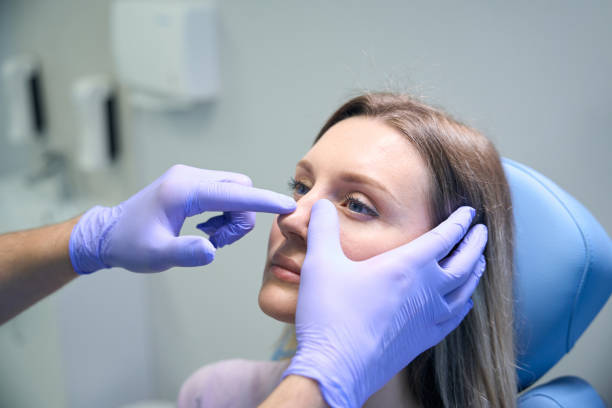
A rhinoplasty consultation usually involves examining the nose from multiple angles and discussing the patient's concerns and expectations. The surgeon may also assess facial proportions, skin characteristics, nasal structure, previous injuries or surgery, and breathing.
Photographs can help document the starting appearance and support treatment planning. However, reference images cannot guarantee that an identical profile can be reproduced because each person's anatomy is different.
Recovery After Profile Enhancement
Swelling and bruising are common during the early recovery period. Nasal congestion and tenderness may also occur. As healing progresses, visible swelling generally decreases, but subtle swelling can remain for months or longer.
The nasal tip may take particularly long to settle. Patients should protect the nose from pressure and impact and follow their surgeon's postoperative instructions throughout recovery.
Understanding Realistic Results
The final appearance of a rhinoplasty depends on the individual's bone and cartilage structure, skin and soft-tissue characteristics, surgical changes, and healing response. Rhinoplasty in Riyadh should therefore focus on realistic improvements that complement the patient's existing facial features.
A successful treatment plan is not necessarily one that creates dramatic change. In many cases, carefully planned structural refinements can produce a more balanced profile while maintaining a natural appearance.
Book Your Appointment at Royal Clinic Saudia
If you are considering nose profile enhancement, a personalized consultation can help you understand how your nasal structure and facial proportions may influence treatment planning. Book an appointment with Royal Clinic Saudia (عيادات رويال كلينك) to discuss your goals and explore suitable rhinoplasty options.
FAQs:
What does nose profile enhancement involve?
It involves evaluating and, when appropriate, reshaping features such as the nasal bridge, tip, projection, and overall contour to improve profile balance.
Can rhinoplasty reduce a nasal hump?
In selected cases, rhinoplasty can reshape a prominent nasal bridge or hump while considering the stability and proportions of the nasal framework.
Does the chin affect the appearance of the nose from the side?
Yes. Chin projection can influence how prominent or balanced the nose appears within the overall facial profile.
How long does it take for the profile to settle after rhinoplasty?
Healing occurs gradually. Major swelling may improve during the early weeks, while subtle swelling and final refinement can continue for months or longer.