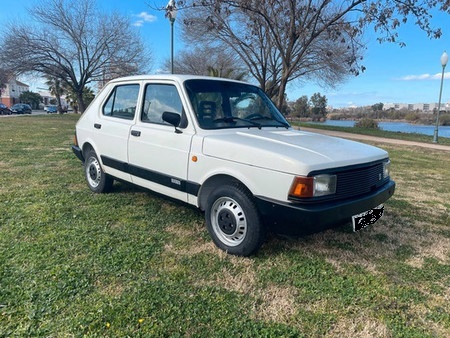
We have all been there—staring out at a vehicle that has become more of a permanent fixture on the driveway than a reliable mode of transportation. For months, an old, dented sedan sat outside my place, collecting fallen leaves, spider webs, and council notices. Fixing it would have cost more than the car’s actual market value, and the thought of listing it for a private sale filled me with dread. I did not want to deal with endless text messages asking "is this still available?", time-wasters who never showed up, or strangers coming to my home.
That was when I started looking seriously into local vehicle disposal options. If you find yourself in a similar spot north of Brisbane, navigating the world of scrap vehicle buyers can feel a bit overwhelming at first. Here is a breakdown of how my search went, what the process actually looked like, and how I finally cleared up my property space without losing my sanity.
The Dilemma of Selling an Old or Damaged Vehicle
When a car reaches the end of its functional life, your options narrow down drastically. Trading it in at a traditional dealership usually results in a laughable offer, especially if the engine is blown, the transmission is slipping, or the body panels are heavily rusted. Private buyers, on the other hand, expect a roadworthy certificate, registered status, and a vehicle that can start right up.
My car had none of those things. It was unregistered, undriveable, and taking up valuable parking space. I quickly realized that traditional selling routes were a dead end. What I needed was a specialized service that dealt specifically with unwanted, broken-down, or scrap vehicles.
Why Private Sales Failed My Checklist
-
Roadworthy requirements: Getting an old car up to safety inspection standards in Queensland often requires costly mechanical fixes that you never recoup.
-
Advertising costs and time: Listing fees and weeks of waiting around for prospective buyers waste both time and energy.
-
Safety and privacy concerns: Inviting unknown buyers to your residential address to inspect a non-running vehicle is rarely an appealing prospect.
Discovering Specialized Auto Buyers in the Region
During my research into regional options, I noticed that automotive recycling has become exceptionally streamlined. Instead of dragging a dead vehicle to a distant scrapyard yourself—which requires hiring a flatbed trailer or paying steep commercial towing fees—most modern operators bring the solution directly to your driveway.
These services look at a vehicle through a different lens. They do not care if the engine turns over or if the air conditioning works. They evaluate the vehicle based on its weight, scrap metal value, and the availability of salvageable parts (such as catalytic converters, alternators, interior modules, and body glass). This realization completely shifted my perspective; my junk car was not entirely worthless—it just had value to a different type of buyer.
Stepping Through the Process: What Actually Happened
Choosing to book a professional removalist turned out to be far simpler than anticipated. Here is how the entire transaction unfolded from start to finish over the course of a single afternoon:
1. Requesting an Online Quote
I hopped online and filled out a quick digital form detailing the make, model, year, and overall condition of the vehicle. I made sure to be completely honest about the mechanical faults and missing parts so the initial valuation would be realistic. Within minutes, I received a preliminary offer based on current metal rates and parts demand.
2. Agreeing on a Pickup Time
After reviewing the digital offer and confirming there were no hidden fees or surprise towing charges attached, I accepted the price. The customer support team then asked for my preferred collection window. Because I worked during the week, I appreciated the flexibility to schedule the pickup for a Saturday morning when I would be home to oversee the handoff.
3. Inspection and Paperwork on Collection Day
The tow truck driver arrived right on schedule. Before loading the vehicle onto the flatbed, we handled the necessary administrative steps. This involved showing a valid photo ID to prove identity and providing a signed transfer form confirming proof of ownership.
Because the car was unregistered and being permanently taken off the road, the paperwork was surprisingly straightforward. The driver did a quick visual check to ensure the vehicle matched the details I submitted online, ensuring a smooth handoff.
4. Instant Payment and Free Towing
Before the winch pulled the car onto the truck bed, the payment was finalized. Whether through an instant bank transfer (Osko) or immediate cash on the spot, the funds were secured before the vehicle left my property. Best of all, the towing service itself didn't cost me a single cent. The entire extraction took less than twenty minutes, leaving behind an empty, clean driveway.
If you are currently researching regional options for your own vehicle clearance, exploring a dedicated provider specializing in cash for cars caboolture can save you significant time, spare parts stress, and yard space.
Key Takeaways and Lessons Learned
Looking back on the experience, preparing for a scrap car removal requires very little effort if you keep a few practical guidelines in mind:
-
Remove personal belongings: It sounds obvious, but it is remarkably easy to leave toll passes, sunglasses, service logbooks, or CDs hidden in the glove box or center console. Clear everything out before the driver arrives.
-
Have your ID ready: Legitimate buyers must verify who they are purchasing the vehicle from to prevent illegal trade or fencing of stolen property.
-
Cancel your registration (if applicable): Once the vehicle is sold and removed, remember to contact the Department of Transport and Main Roads (TMR) to cancel your registration and claim any unused CTP insurance refund.
Frequently Asked Questions
Do I need a roadworthy certificate to sell a junk car?
No. Unlike a private sale intended for another driver on public roads, professional vehicle buyers and auto recyclers purchase cars in "as-is" condition, meaning a Queensland safety certificate or roadworthy check is completely unnecessary.
How is the value of my scrap or damaged car calculated?
Valuations are determined by a mix of factors, including the vehicle's make, model, weight, overall weight of scrap metal, and whether specific mechanical or body components can be salvaged for reuse. Even heavily burnt or completely smashed cars hold baseline value for their raw materials.
Can a car be removed if it is parked in a tight or difficult spot?
Yes, but you should mention access constraints when you request your quote. If the car is stuck deep in a backyard, parked in an underground apartment garage, or sitting on flat tires with locked steering, the removal team can bring specialized tilt-tray trucks or dollies to handle tight spaces safely.
What documents do I need to provide on pickup day?
You will typically need a valid form of photo identification (such as a driver’s license) and proof that you own the vehicle, which can include old registration papers or a signed bill of sale.