Ingrown hairs are a common skin concern that can develop when hair curls back into the skin or grows sideways beneath its surface. They often appear after shaving, waxing, or plucking and may cause small bumps, redness, itching, and discomfort. For people who experience recurring ingrown hairs, laser treatment may offer a useful alternative to traditional hair removal methods. Understanding how Laser Hair Removal in Riyadh (إزالة الشعر بالليزر في الرياض) can reduce hair growth and help minimize ingrown hairs can make it easier to choose an appropriate treatment and maintain healthier-looking skin.
What Are Ingrown Hairs?
Ingrown hairs develop when a growing hair cannot emerge normally through the skin. Instead, it curls back into the skin or becomes trapped beneath the surface. This can happen when hair is coarse, curly, or cut close to the skin, although anyone can experience ingrown hairs.
Common areas include the face, neck, underarms, legs, and bikini line. These areas may be affected by frequent shaving, waxing, tight clothing, or repeated friction.
Ingrown hairs can cause small, raised bumps that resemble pimples. Some may become inflamed, itchy, tender, or filled with pus. In certain cases, repeated inflammation can lead to dark marks or scarring.
Although many ingrown hairs resolve without treatment, recurring or painful bumps may need professional assessment, especially if the area becomes increasingly red, warm, swollen, or develops persistent drainage.
Can Laser Hair Removal Help Prevent Ingrown Hairs?
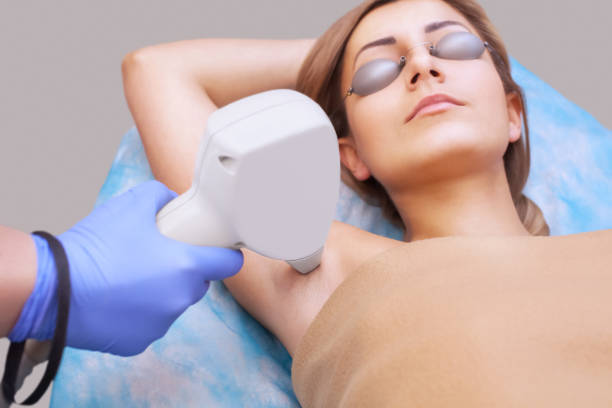
Laser hair removal can help reduce ingrown hairs in many people by decreasing the amount of hair that grows back. The treatment uses concentrated light energy to target melanin in the hair follicle. The absorbed energy produces heat that damages structures involved in hair growth, resulting in gradual hair reduction over multiple sessions.
When fewer hairs grow back, there may be fewer opportunities for hair to become trapped beneath the skin. Regrowth may also become finer, which can reduce the likelihood of some hairs curling back into the surrounding skin.
However, laser hair removal does not guarantee complete prevention of ingrown hairs. Some hair may continue to grow, and bumps can still develop because of friction, inflammation, or other skin conditions. Results depend on individual hair characteristics, skin type, the treatment area, and the laser technology used.
How Laser Hair Removal Reduces Ingrown Hair Problems
Reduces Hair Density Over Time
Repeated laser treatments can reduce the number of actively growing hairs in a treated area. With less hair regrowing, patients may experience fewer recurring bumps associated with shaving or waxing.
The reduction develops gradually because hair follicles grow in different phases. Multiple sessions are generally needed to target hairs as they enter a responsive growth stage.
May Help With Coarse and Curly Hair
People with coarse or curly hair may be more likely to experience ingrown hairs because the hair can curve back toward the skin. Laser hair removal may help by reducing the amount of regrowth and making some remaining hairs finer.
Dark, coarse hair often responds well to conventional laser systems because it contains more melanin. Very light, grey, white, or some red hairs may respond less effectively because they contain less of the pigment targeted by the laser.
Reduces Dependence on Frequent Shaving
Repeated close shaving can contribute to razor bumps and ingrown hairs, particularly when hair is cut at an angle or pulled during shaving. Waxing and plucking can also contribute to ingrown hairs in some individuals.
By reducing hair growth, laser treatment may decrease the need for frequent grooming. This can help limit repeated irritation caused by traditional hair removal methods.
Which Areas Can Benefit From Laser Hair Removal?
Ingrown hairs can develop in several parts of the body, and laser treatment may be considered for suitable areas where hair growth repeatedly causes problems.
Face and Neck
Facial and neck hair can become ingrown after shaving, particularly when hair is coarse or curly. Laser treatment may help reduce recurring bumps by decreasing hair growth. Persistent facial bumps should be assessed because acne, folliculitis, and other skin conditions can look similar.
Underarms
Frequent underarm shaving can contribute to irritation, razor bumps, and ingrown hairs. Laser hair removal may reduce the amount of hair that regrows and help simplify grooming.
Bikini Area
Coarse hair and friction from clothing can make the bikini area prone to ingrown hairs. Laser treatment may help reduce recurring hair-related bumps, but the skin should be assessed carefully before treatment because the area can be sensitive.
Legs
Ingrown hairs can occur on the legs after shaving or waxing. Reducing hair density through laser treatment may decrease the frequency of some ingrown hairs and help the skin feel smoother between grooming sessions.
Is Laser Hair Removal Suitable for All Skin Types?
Laser hair removal can be suitable for many skin tones, but the equipment and settings must be selected carefully. Different laser systems interact with skin pigment differently, which affects both treatment effectiveness and the risk of side effects.
Alexandrite lasers are often used for suitable lighter skin tones, diode lasers may be appropriate for a range of skin types, and long-pulsed Nd lasers are frequently considered for darker skin tones. A qualified professional should assess your skin tone, hair color, medical history, and treatment goals before recommending a device.
A patch test may be appropriate for people with sensitive skin or a history of pigmentation changes. Common temporary effects include redness and mild swelling, while less common complications can include burns, blistering, scarring, and changes in skin color.
How to Prepare for Treatment
Proper preparation can help reduce irritation and support a safer treatment experience.
-
Avoid waxing and plucking: These methods remove hair from the root and can interfere with laser targeting. Follow your provider's instructions about when to stop them.
-
Shave as directed: Shaving is commonly recommended before a session because it removes surface hair while leaving the follicle in place.
-
Avoid tanning: Recent tanning can increase the risk of burns and pigmentation changes.
-
Discuss skin concerns: Tell your provider about active rashes, infections, previous reactions, medications, and any existing skin condition.
-
Follow professional guidance: Your provider can recommend suitable preparation based on the treatment area and laser system.
If the area has active inflammation or infection, treatment may need to be postponed until the skin has recovered.
Aftercare Tips to Reduce Ingrown Hairs
Following aftercare instructions helps protect the skin and reduce avoidable irritation after treatment.
Keep the Skin Clean and Moisturized
Clean the treated area gently with a mild cleanser and use a fragrance-free moisturizer if needed. Avoid aggressive scrubbing, scratching, or picking at bumps, as these actions can worsen inflammation and increase the risk of scarring.
Avoid Excessive Heat and Friction
For the period recommended by your provider, avoid hot baths, saunas, and strenuous exercise if the skin remains warm or irritated. Wear comfortable clothing that minimizes friction, especially around the underarms and bikini area.
Be Careful With Exfoliating Products
Exfoliating acids and abrasive scrubs may irritate recently treated skin. Wait until the area has recovered and ask your provider when it is safe to resume these products.
If you experience severe pain, blistering, increasing redness, or persistent pus-filled bumps, seek medical advice rather than attempting to treat the problem with unverified home remedies.
How Many Sessions Are Needed to See Improvement?
Laser hair removal generally requires several sessions because not all hair follicles are active at the same time. Many patients begin with approximately six to eight treatments, although the number needed depends on the area, hair characteristics, skin tone, and individual response.
Some people notice fewer ingrown hairs as regrowth decreases, but the timing and degree of improvement vary. Maintenance sessions may be recommended if hair begins to return. A professional assessment can help determine an appropriate schedule and whether laser treatment is likely to address your specific concern.
Book Your Consultation at Royal Clinic Saudia
Laser hair removal may help reduce recurring ingrown hairs by lowering hair density and decreasing the need for frequent shaving or waxing. However, choosing the right treatment requires an assessment of your skin, hair growth, and any existing inflammation.
Royal Clinic Saudia ( عيادات رويال كلينك ) can help you understand suitable hair reduction options, preparation requirements, and aftercare recommendations. If you are considering Laser Hair Removal in Riyadh, book a consultation with Royal Clinic Saudia to discuss your concerns and explore a treatment plan tailored to your individual needs.