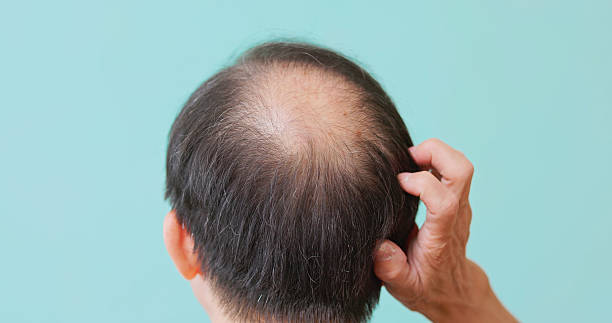
Hair thinning can affect confidence, appearance, and everyday comfort, especially when hair gradually loses density or becomes finer over time. For people exploring regenerative approaches, PRP Hair Treatment in Riyadh has gained attention because it uses a patient’s own platelet-rich plasma to support the scalp environment around hair follicles. Research suggests PRP may improve hair density in some people with pattern hair loss, although individual responses can vary.
PRP, or platelet-rich plasma, is prepared from a small sample of the patient’s own blood. After processing, the platelet-rich portion is separated and injected into targeted areas of the scalp. Platelets contain growth factors and other signaling proteins involved in tissue repair, which is one reason researchers have investigated their potential role in hair restoration. Evidence from clinical studies suggests that PRP Hair Treatment in Riyadh may help improve hair density and thickness in suitable patients, particularly those with androgenetic alopecia.
What Happens to Hair Follicles During Hair Loss?
Hair follicles can gradually become weaker
Pattern hair loss can cause susceptible follicles to progressively produce thinner and shorter hairs. Instead of producing strong terminal hairs, affected follicles may gradually become smaller, resulting in visible thinning. Identifying the underlying type of hair loss is important because not every form of alopecia is expected to respond to PRP in the same way.
The scalp environment matters
Healthy-looking hair depends on functioning follicles and an appropriate scalp environment. PRP is being studied because its concentrated platelets contain biological signals that may influence tissue repair and cellular activity around treated areas. This does not mean PRP can permanently reactivate every damaged follicle, but it provides a biological basis for investigating its use in hair restoration.
How PRP May Support Healthier Hair Follicles
Growth factors may encourage follicular activity
Platelets release various growth factors and proteins that participate in tissue repair. When PRP is introduced into the scalp, these substances may help create conditions that support follicular activity. Researchers believe this may contribute to improvements in hair density observed in some clinical studies.
PRP may support hair density
One of the most frequently investigated outcomes of PRP therapy is hair density. A 2024 systematic review of studies involving androgenetic alopecia found that several included trials reported statistically significant increases in hair density or hair count, although the researchers also noted differences in study quality and treatment protocols.
Hair thickness may also improve
Some studies have reported improvements in hair thickness following PRP treatment. This can be particularly relevant for people whose main concern is progressive miniaturization, where hairs become increasingly fine rather than disappearing suddenly. However, evidence is not completely consistent, so treatment expectations should remain realistic.
Who May Benefit From PRP Hair Treatment?
People with pattern hair loss
PRP has been studied most extensively in androgenetic alopecia, also called male or female pattern hair loss. Several systematic reviews and meta-analyses have reported potential improvements in hair density compared with control treatments, although differences in preparation methods, injection techniques, treatment schedules, and study quality make it difficult to establish one universal protocol.
People with early or moderate thinning
A clinician may consider PRP when follicles are still present but producing progressively thinner hair. An assessment can help determine whether the follicles appear suitable for regenerative treatment and whether another medical condition could be contributing to the hair loss.
What Can Affect PRP Results?
The underlying cause of hair loss
PRP is not a universal solution for every type of hair loss. Pattern hair loss, nutritional deficiencies, hormonal changes, inflammatory scalp disorders, and other conditions may require different approaches. Correctly identifying the cause is therefore an important part of treatment planning.
Treatment protocol and consistency
Studies have used different PRP preparation techniques, concentrations, injection methods, and treatment intervals. This variation is one reason researchers continue to investigate which protocols provide the most consistent results.
Individual response
Two people receiving similar treatment may experience different outcomes. Age, degree of hair loss, follicle condition, underlying health factors, and concurrent treatments can all influence the visible result. PRP should therefore be viewed as a treatment that may support hair growth rather than a guaranteed method of restoring all lost hair.
What Should Patients Expect After Treatment?
PRP injections may cause temporary scalp tenderness, discomfort, swelling, or redness. These effects generally settle after treatment, but patients should follow the aftercare instructions provided by their healthcare professional. Because hair grows through a gradual cycle, visible changes should not be expected immediately after an injection.
A series of treatments may be recommended depending on the patient's diagnosis and clinical assessment. Follow-up appointments can help evaluate changes in hair density and determine whether the treatment plan should be continued, adjusted, or combined with another evidence-based approach.
Is PRP Proven to Restore Hair Permanently?
PRP has promising evidence, but it should not be described as a guaranteed or permanent hair-restoration solution. Recent systematic reviews have found potential improvements in hair density, while also highlighting substantial variation and limitations across studies. More standardized, high-quality research is still needed to determine the best preparation and treatment schedules.
The most appropriate approach is to first determine why hair is thinning and then select treatment according to the condition of the follicles and the patient's goals. For suitable candidates, PRP may become one component of a broader hair-management plan designed to support healthier-looking, denser hair.
Book an Appointment at Royal Clinic Saudia
If you are experiencing thinning hair or reduced hair density, Royal Clinic Saudia can provide a professional assessment to determine whether PRP may be appropriate for your hair concerns. Book an appointment to discuss your scalp condition, treatment goals, and suitable hair-restoration options.
FAQs:
How does PRP support hair follicles?
PRP contains concentrated platelets that release growth factors and signaling proteins involved in tissue repair. Researchers believe these biological signals may support activity around hair follicles and contribute to improvements in hair density in some patients.
Can PRP make thinning hair thicker?
Research suggests PRP may improve hair thickness and density in some people with pattern hair loss. However, results vary and PRP cannot guarantee that every thinning follicle will become thicker.
Is PRP suitable for every type of hair loss?
No. PRP has been studied most extensively for androgenetic or pattern hair loss. Other causes of hair loss may require different treatments, so identifying the underlying cause is important before treatment.
How soon can PRP hair results appear?
Hair growth is gradual, so changes generally take time rather than appearing immediately after treatment. A healthcare professional can recommend appropriate follow-up based on the individual's hair-growth cycle and treatment response.